
BayWay Podiatry – Brooklyn, NY
Heel pain is a common issue that can significantly impact your daily activities and overall quality of life. At BayWay Podiatry in Brooklyn, we specialize in diagnosing and treating the most frequent causes of heel discomfort—Plantar Fasciitis and Heel Spurs—helping patients regain comfort and mobility.
What is Plantar Fasciitis?
Plantar fasciitis occurs when the plantar fascia—a thick band of connective tissue that runs along the bottom of your foot—becomes inflamed or strained. This condition typically results from repetitive stress, causing small tears in the tissue and leading to pain and stiffness.
Common Symptoms:
- ⦁ Sharp heel pain with your first steps in the morning
⦁ Pain after standing for long periods or after exercise
⦁ Tenderness along the bottom of the foot
What Are Heel Spurs?
Heel spurs are bony growths that develop on the underside of the heel bone (calcaneus) due to long-term stress on foot muscles and ligaments. While they are frequently associated with plantar fasciitis, they are not the true source of pain in most cases.
Recent research shows that heel spurs are usually not painful. Instead, the discomfort people feel is primarily due to the inflammation of the plantar fascia—not the spur itself.
Key Facts About Heel Spurs:
⦁ Formed by calcium deposits over time
⦁ Common in patients with long-standing plantar fasciitis
⦁ Often found incidentally on X-rays
⦁ Do not typically require removal unless causing mechanical irritation
Risk Factors for Heel Pain
Several factors increase the risk of developing plantar fasciitis and heel spurs:
⦁ Age: Most common between ages 40–60
⦁ Foot mechanics: Flat feet, high arches, or abnormal gait
⦁ Occupational strain: Prolonged standing or walking
⦁ Athletic activity: High-impact sports
⦁ Obesity: Added stress on foot structures
How We Diagnose Heel Pain at BayWay Podiatry
We take a comprehensive approach to diagnosis:
⦁ Medical History: To understand symptoms and lifestyle factors
⦁ Physical Exam: To assess foot mechanics, range of motion, and pain points
⦁ Imaging (X-rays or Ultrasound): To evaluate for plantar fasciitis or rule out other conditions (e.g., heel spurs)
Treatment Options
At BayWay Podiatry, we tailor each treatment plan based on your specific condition and lifestyle:
Conservative Treatments:
⦁ Rest and Ice: To reduce inflammation
⦁ Stretching Exercises: For the plantar fascia and Achilles tendon
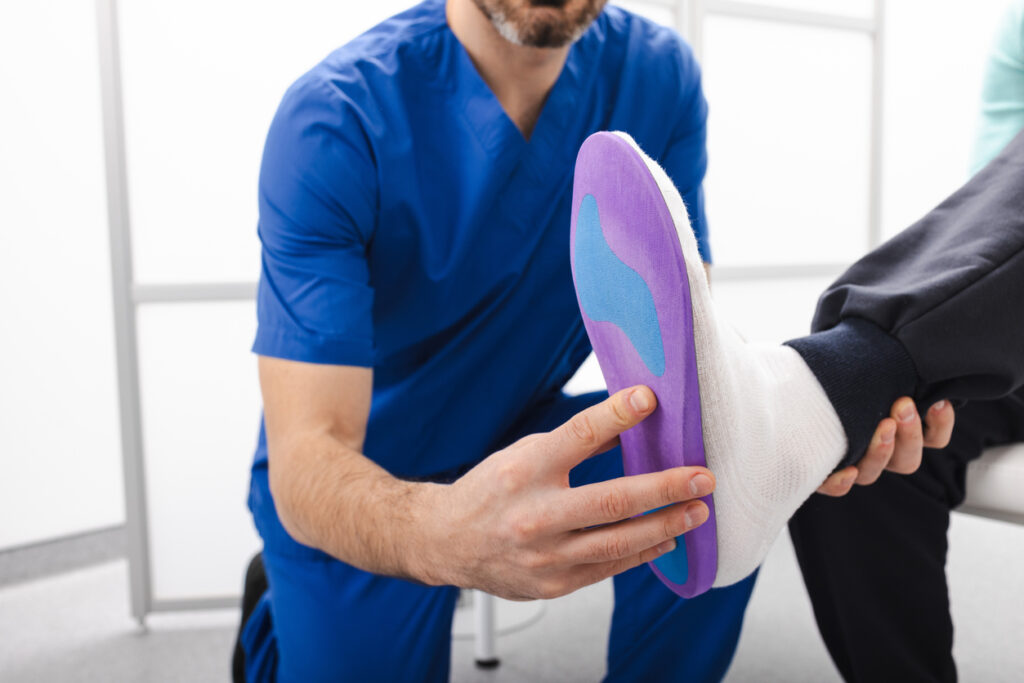
⦁ Orthotics: Custom-made shoe inserts for arch and heel support
⦁ Physical Therapy: To strengthen supportive muscles and improve flexibility
⦁ Anti-Inflammatory Medications: To manage pain and swelling
Advanced Therapies:
⦁ Extracorporeal Shock Wave Therapy (ESWT): Uses sound waves to promote healing in chronic cases
⦁ Corticosteroid Injections: For short-term relief of severe pain
Surgical Options (Rarely Needed):
⦁ Plantar Fascia Release: Partial cutting of the fascia to relieve tension
⦁ Heel Spur Removal: Only considered if the spur causes mechanical irritation
Prevention Strategies
To reduce the risk of recurrence:
⦁ Maintain a healthy weight
⦁ Wear supportive, properly fitting footwear
⦁ Stretch your feet and calves regularly
⦁ Avoid sudden increases in physical activity
⦁ Replace worn-out shoes
Why Choose BayWay Podiatry?
⦁ Personalized Care: Treatment plans designed just for you
⦁ Experienced Podiatrists: Specialists in advanced foot and ankle care
⦁ Comprehensive Services: From diagnosis through full recovery
Don’t let heel pain limit your life. Contact BayWay Podiatry in Brooklyn today to schedule your consultation and get back on your feet—pain-free.